What is the real cars-per-hour?
Measured against conveyor capacity, by hour and by day.
17 carsshort of capacity, each hour
78 carswashed per hour
The tunnel ran 78 cars an hour against a capacity of 95.
Works with your existing CCTV
Turn your existing CCTV into a clear timeline of loading, washing, and the gaps between cars—so you can see where the throughput goes.
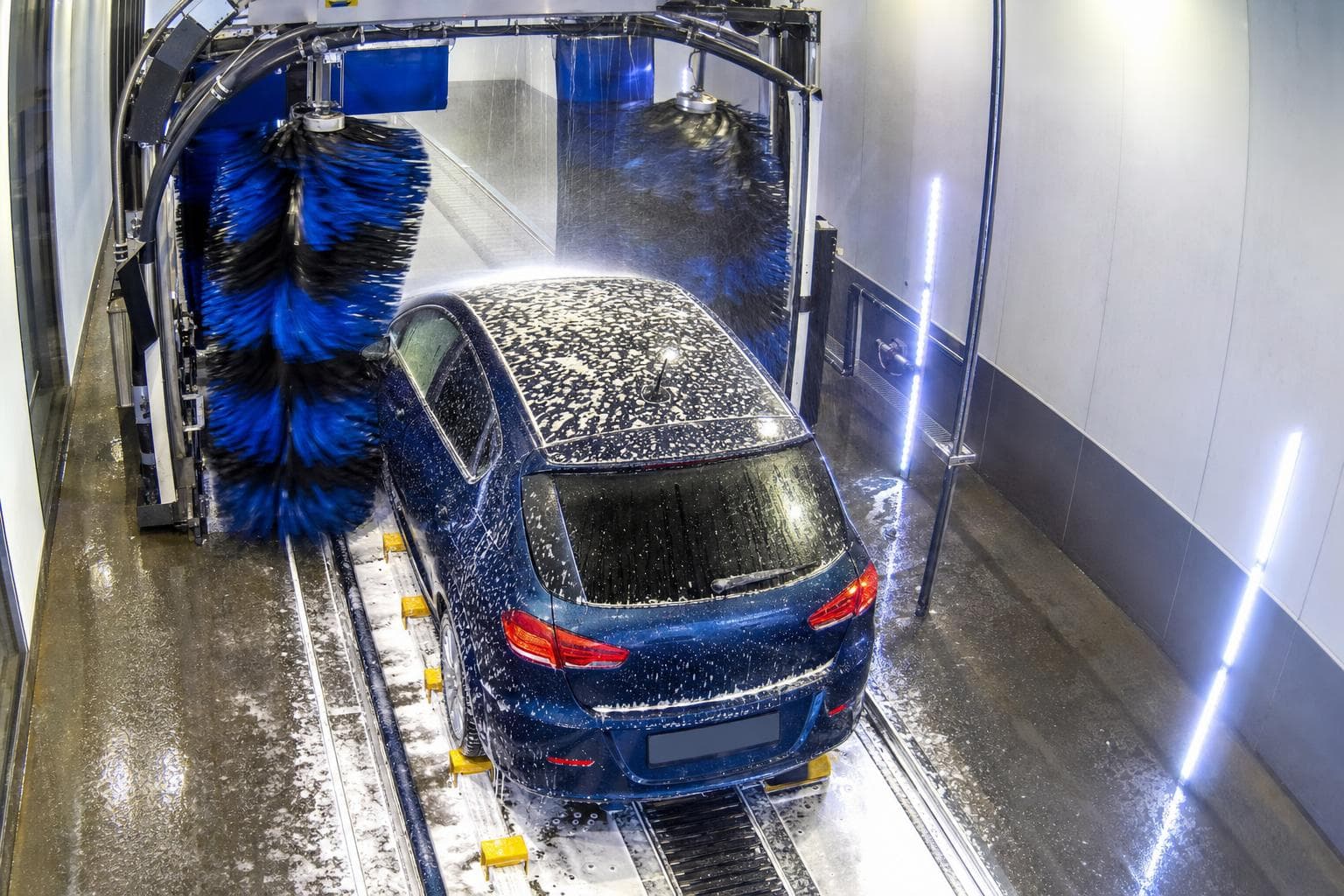
Pass timed
Entered to exited
3m 58s
The pass record
Three camera-detected events and your plan match, connected in one pass.
Wash POS
Plan matched
Entered
Plate read at the entry
 07:44:52
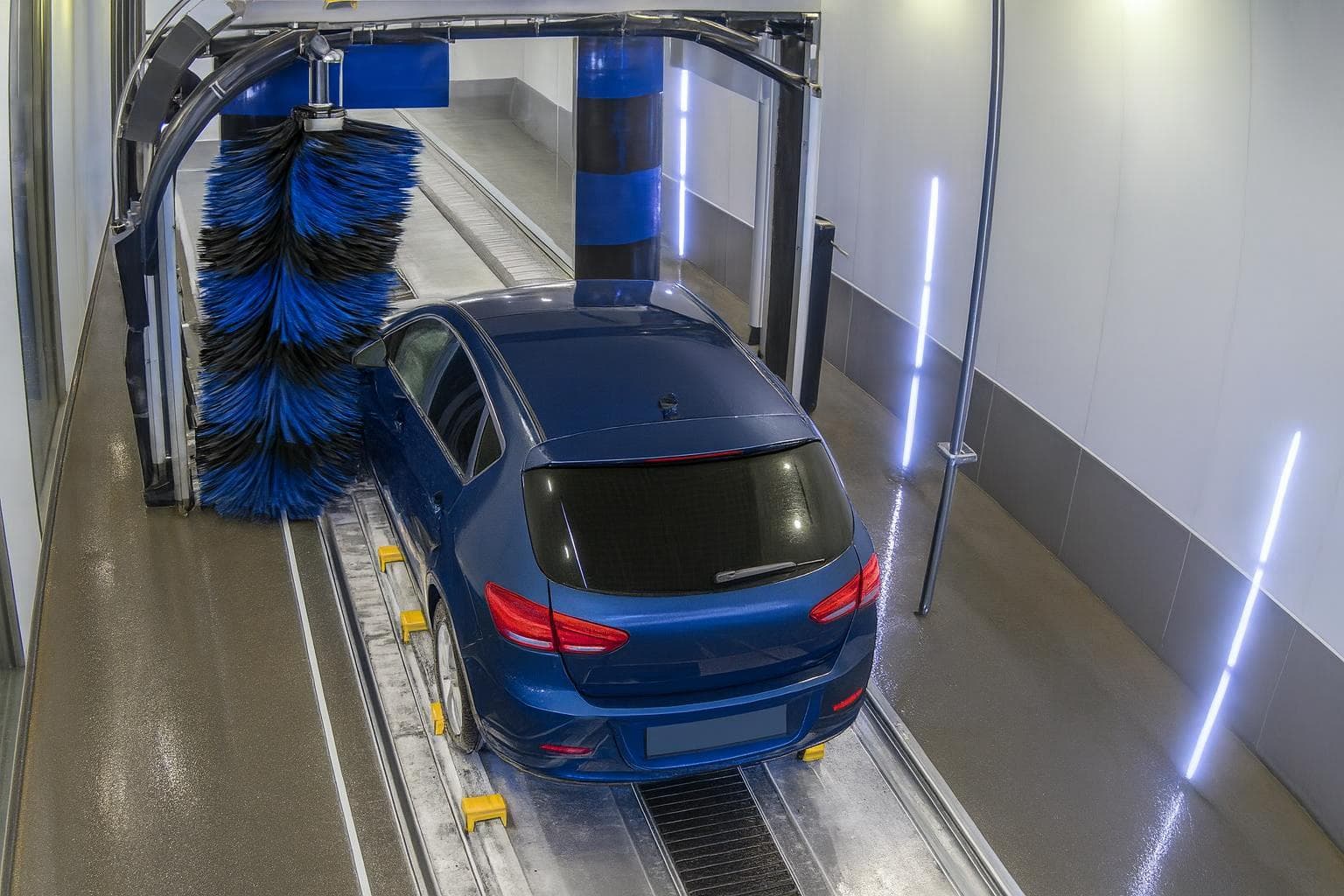
Loaded
Vehicle meets the track
07:45:20Washing
Vehicle enters the brush arch
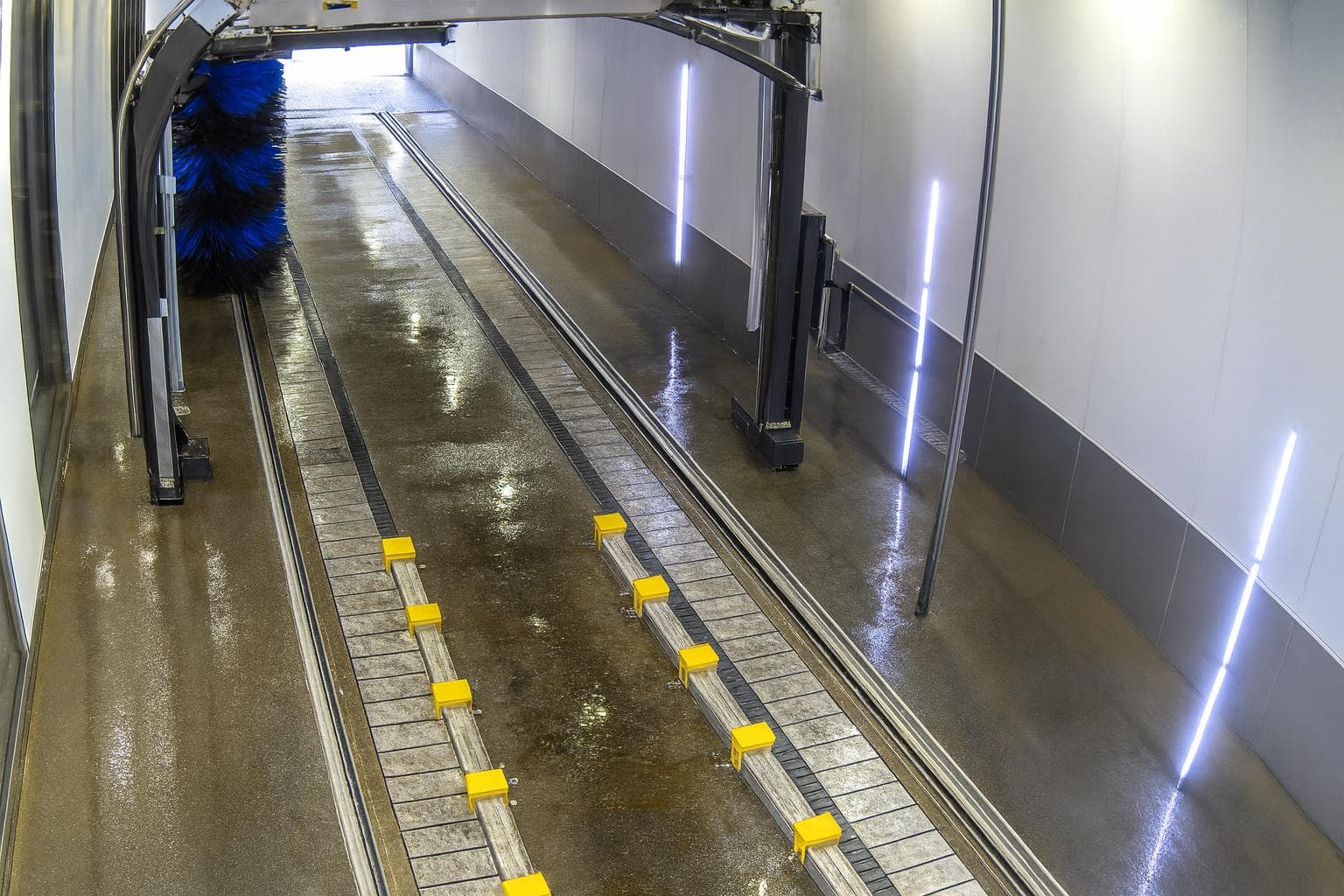 07:48:08
Exited
Vehicle leaves the exit arch
How it works
We connect to the recorder you already run. Most tunnels add one camera at the entry for plates; everything else runs on the feeds you have.
Connected from your recorder
Connected from your recorder
Connected from your recorder
We mark where cars load and where the brush arch sits. That is the whole setup — the events come from the geometry.
TUNNEL 0107:45:20The second a car loads, it shows up on your dashboard. Every pass, gap and stop lands there as it happens, and all of it stays in one place.
3 stretches · 42s idle
What you can finally answer
See what the tunnel really runs, where the throughput goes, and how long it stood still.
Measured against conveyor capacity, by hour and by day.
17 carsshort of capacity, each hour
78 carswashed per hour
The tunnel ran 78 cars an hour against a capacity of 95.
Loading gaps, stops, and slow exits, separated.
Loading gaps cost the most cars every hour.
Every stop, with its length and the cars that queued behind it.
Longest: 6m 20s
| Stopped at | Length | Queued |
|---|---|---|
| 11:32:08 | 6m 20s | 14 cars |
| 15:08:51 | 2m 45s | 8 cars |
| 07:12:40 | 1m 36s | 6 cars |
One stop held up 14 cars for over six minutes.
Passes tied to plates, so members and regulars both show up.
Four in ten plates came back within a month.
Good to know
A few things you might want to know before getting started.
Usually one, yes. Plates have to be read cleanly at speed and most existing entry cameras are angled for evidence rather than recognition. Everything else — loading, the tunnel itself, the exit — runs on the feeds you already have.
A controller counts what passed through. BayCam measures the conveyor as a whole, so an empty stretch of track counts against you the same way a stopped tunnel does. That is the difference between a throughput number and a capacity number.
Your wash POS, so every pass arrives with its plan or transaction attached. Without that link you get times; with it you get what those times were worth.
Yes, with different events. There is no conveyor to measure, so an in-bay is timed on the cycle instead — vehicle in, wash starts, wash ends, vehicle out — and the gap that matters becomes the time between one car leaving and the next being positioned.
BayCam runs on the CCTV you already have. Those cameras were put up for evidence, not recognition, so some may just need re-aiming — we look at your feeds first and tell you plainly which ones. Once they are pointed right, you are good to go.
About a week per site. Once we have access to your feeds and your POS, we collect footage from your bays, train our AI model on your layout, run it on your cameras, and test the results against what actually happened before you rely on a single number. Multi-site rollouts go a site at a time, so each one is trained and tested on its own rather than copied.
Still have a question?Talk to us
Book a demo
See every pass, every gap on the conveyor, and every stop — and what the missing cars were worth — before you decide anything.