At the end of the day an express wash has two numbers that should agree: how many cars went through the tunnel and how many washes the point of sale recorded. They rarely match exactly. The question is whether the difference is a few comps you approved or something you would want to know about.
Two counts of two different things
The tunnel controller counts cars. The POS counts transactions: single washes, membership visits, upgrades. A car can go through without a transaction, and a transaction can be rung up without a car. Comparing the totals tells you there is a gap. It does not tell you what the gap is made of.
Where the gap comes from
- Rewashes: a customer comes back through because a spot was missed. Usually fine, but worth counting.
- Comps and staff cars: free washes that may or may not be rung up as a zero-dollar sale.
- Plans used on more than one car: one membership doing the work of several vehicles.
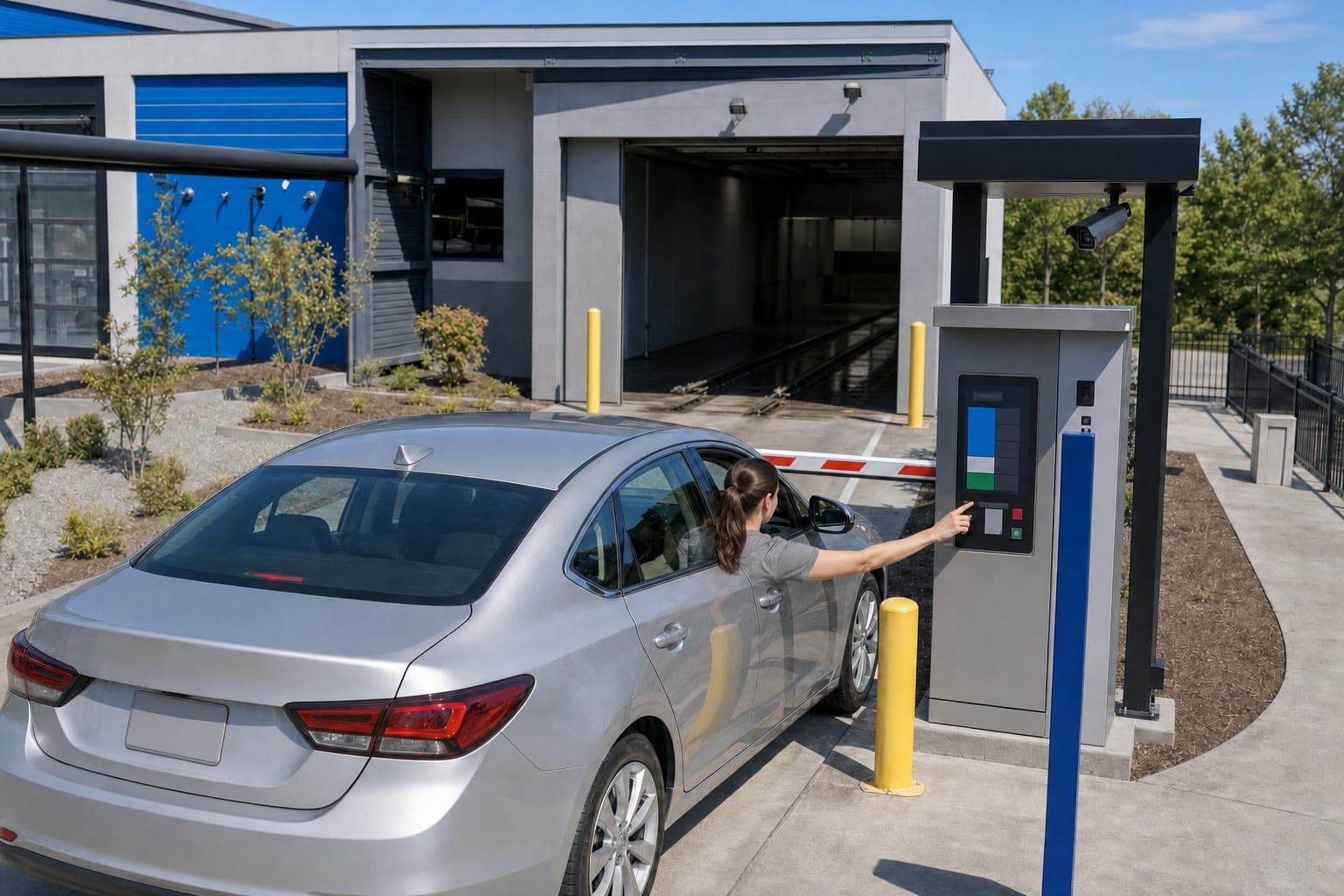
- Gate overrides: an attendant lifts the gate for a car with a problem at the kiosk, and the sale never gets finished.
- Missed plate reads: a member’s car is not recognized, gets waved through, and shows up as a car with no sale.
Some of these are policy, some are training and some are lost money. Totals alone cannot separate them.
How to reconcile car count with the POS
Match each car to a transaction instead of comparing totals. For every car that entered the tunnel, ask one question: what did it wash on? A sale, a plan, an approved comp, or nothing. The cars with nothing are the list to look at, with the time each one came through so the shift can explain it.
Unmatched cars = cars through the tunnel − cars matched to a sale, a plan or an approved comp.
Membership plans need the same check
Unlimited plans are where counts drift most, because a member’s wash does not ring up a sale the way a single wash does. Look at how often each plan comes through. A plan that washes every day may be a very loyal member; it may also be one plan covering several cars. Either way, it is worth knowing which.
A failed plate read costs you in both directions: a paying member waits at the kiosk, slowing the line and your loading time, or gets waved through and shows up as a car with no sale.
How BayCam does it
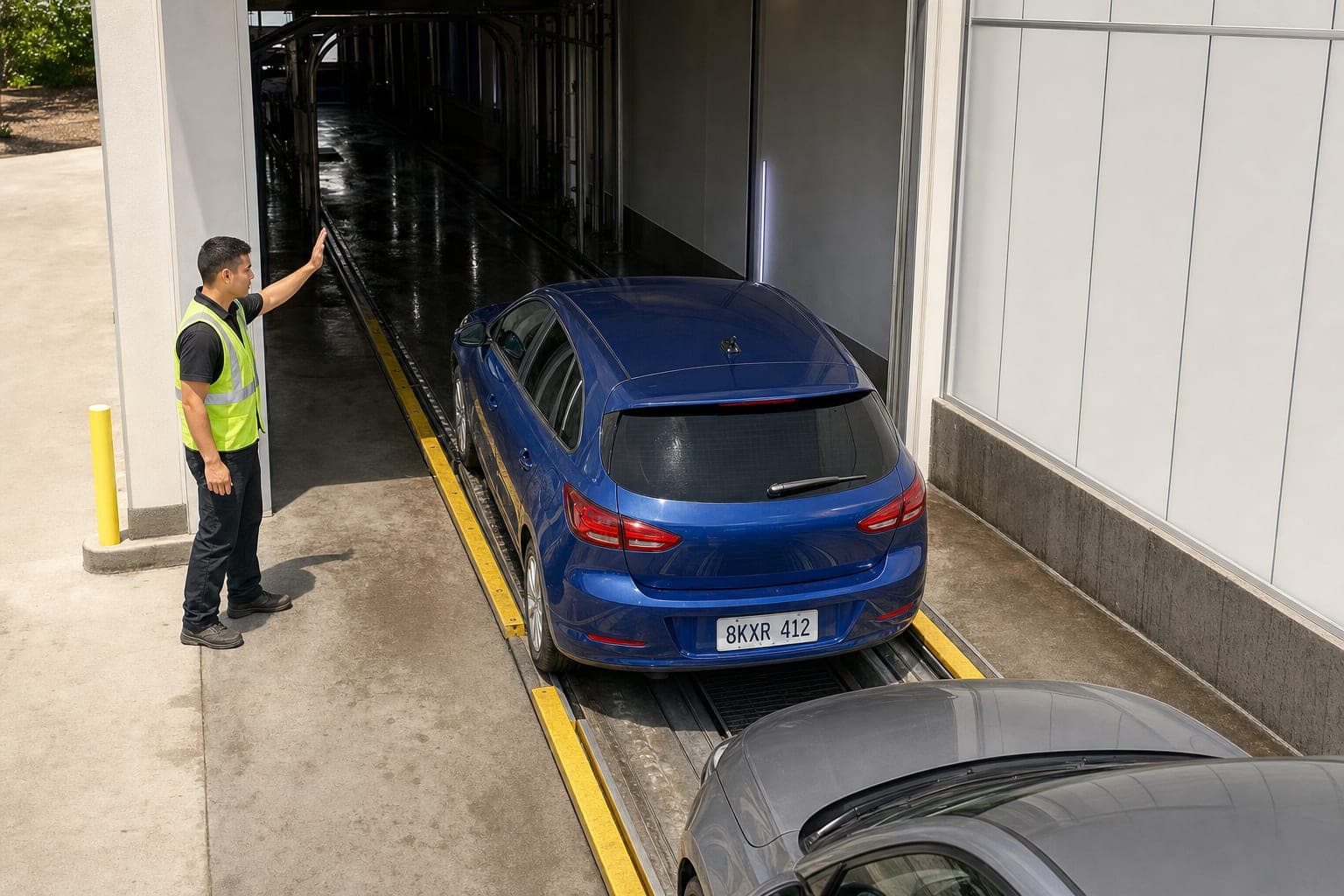
BayCam stamps each car at the tunnel entrance, where your existing camera reads its plate and the plate is matched to its plan or sale in your POS. The same car is then timed as it loads and exits, so every pass on the day’s record already carries what it washed on, and a car that went through with no match stands out instead of disappearing into a total.
A count a few cars off is easy to explain the same day. A month later, it is just missing money.
Frequently asked questions
Why does my car wash count not match my sales?
Because the tunnel counts cars and the POS counts transactions, and those are not the same thing. Rewashes, comps, staff cars, plans used on more than one car and gate overrides all put cars through without a matching sale.
How do I stop car wash membership abuse?
Start by seeing it. Match each car that enters to the plan it washed on, and look for plans that wash far more often than one car would, or cars that went through with no plan or sale at all. Then close the gap that let them through.
How often should I reconcile car counts with the POS?
Daily, while the shift still remembers it. A count a few cars off is easy to explain the same day and almost impossible a month later.
Can a camera count cars at a car wash?
Yes. The camera that reads plates at your entrance already sees every car. BayCam uses it to stamp each car that enters and match it to its plan or sale, with no sensors added to the tunnel.