Cars per hour is the number every express tunnel watches. It is easy to get — your controller counts it — and it goes up when you are busy. But on its own it can tell you that a slow hour was a good one.
Throughput counts what passed
Throughput is what actually went through the tunnel. If the line was short, it was low; if the line was long, it was high. That makes it mostly a measure of demand, not of how well the tunnel ran.
Capacity counts what could have
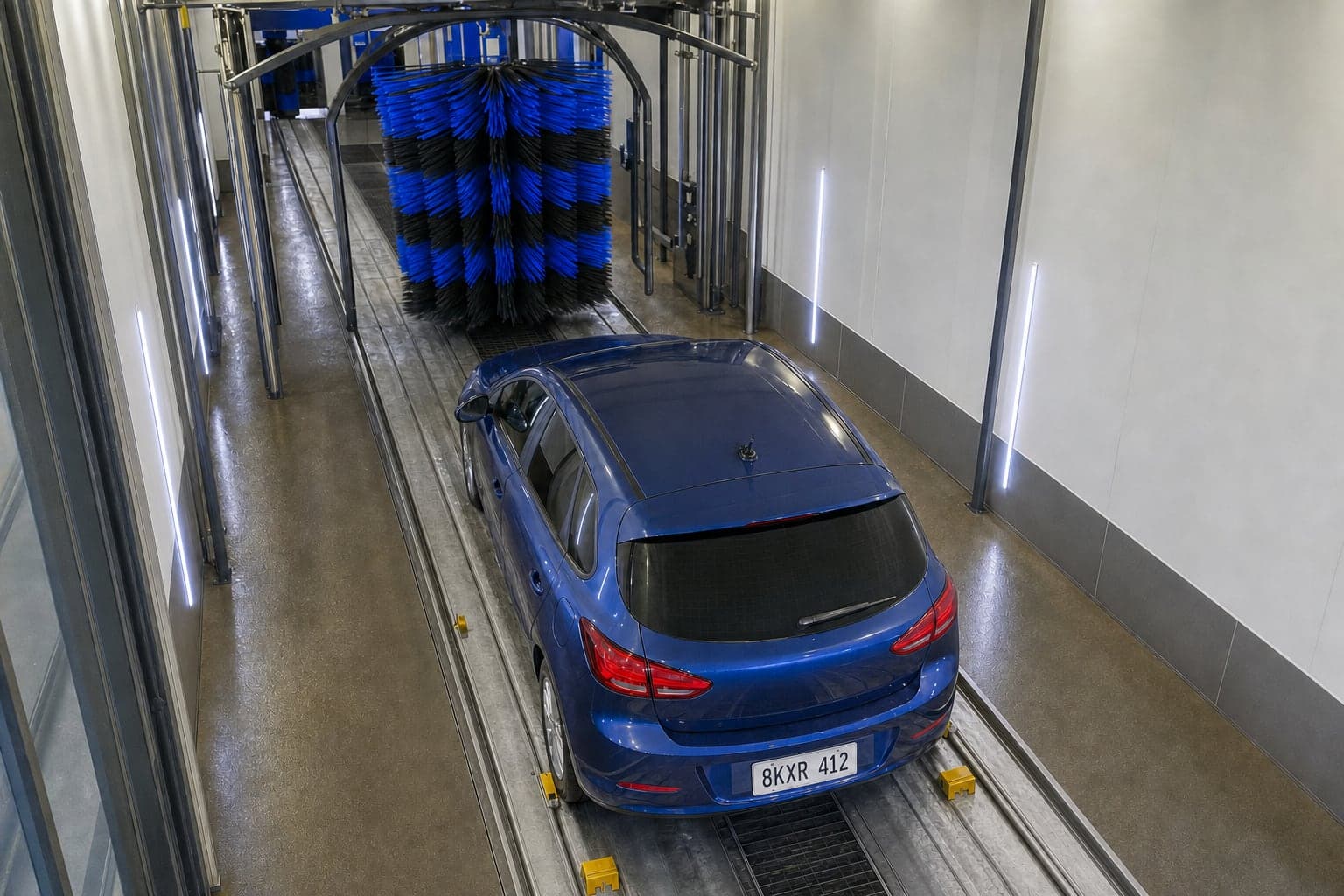
Capacity is the number of cars the conveyor could have carried in the same hour if every slot on it had been filled. The gap between capacity and throughput, during the hours you had a line, is lost throughput: empty stretches of track that ran through the tunnel with nothing on them.
Lost throughput = capacity − throughput, counted only for the hours you had a line. With no line waiting, empty track is a demand problem, not a tunnel problem.
Where the gap comes from
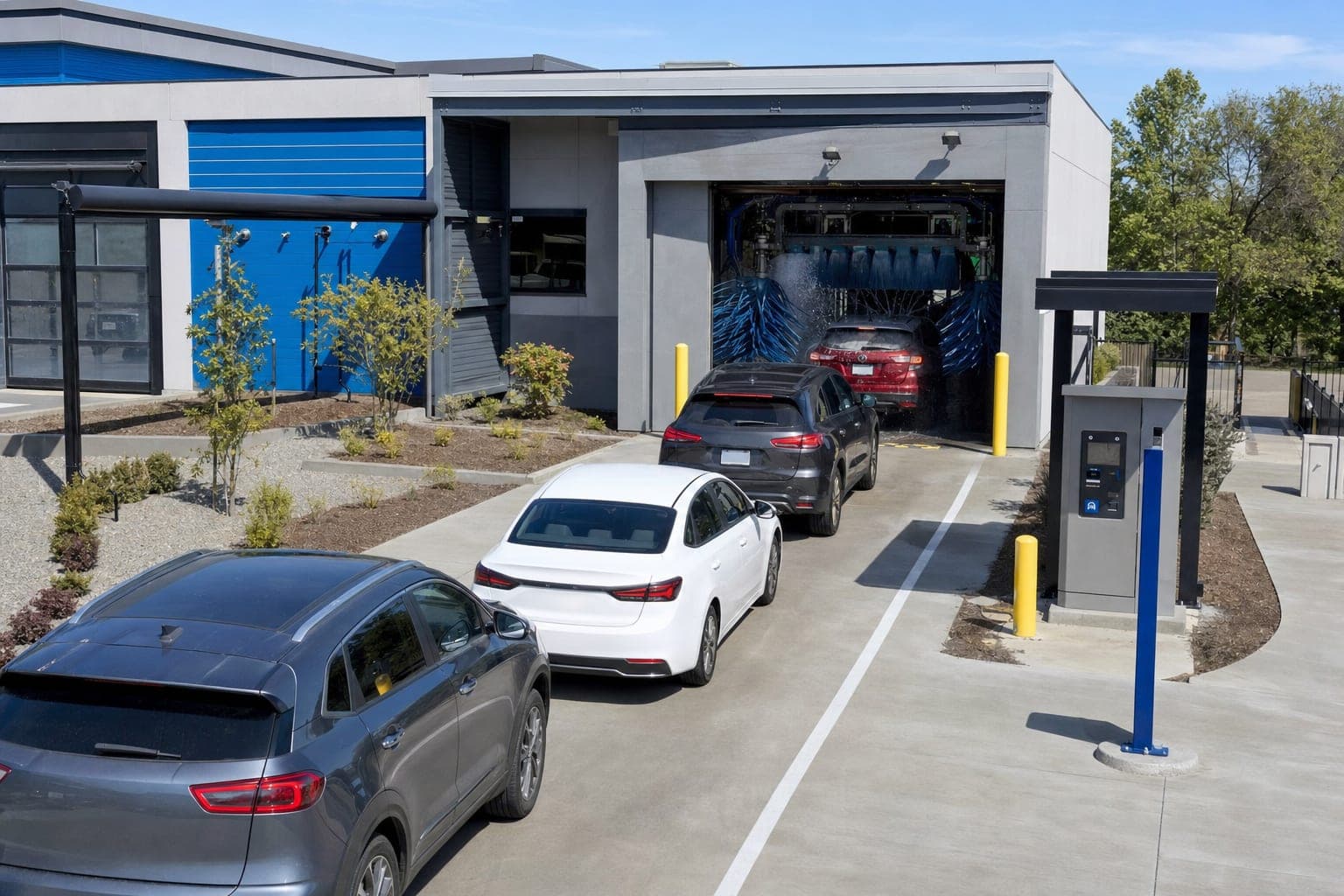
- Loading gaps: the attendant waits for the car in front to clear before waving the next one on, leaving space on the conveyor. See how to reduce loading time.
- Stops: the tunnel halts for a stuck car, a misaligned wheel or an equipment fault, and the queue grows behind it.
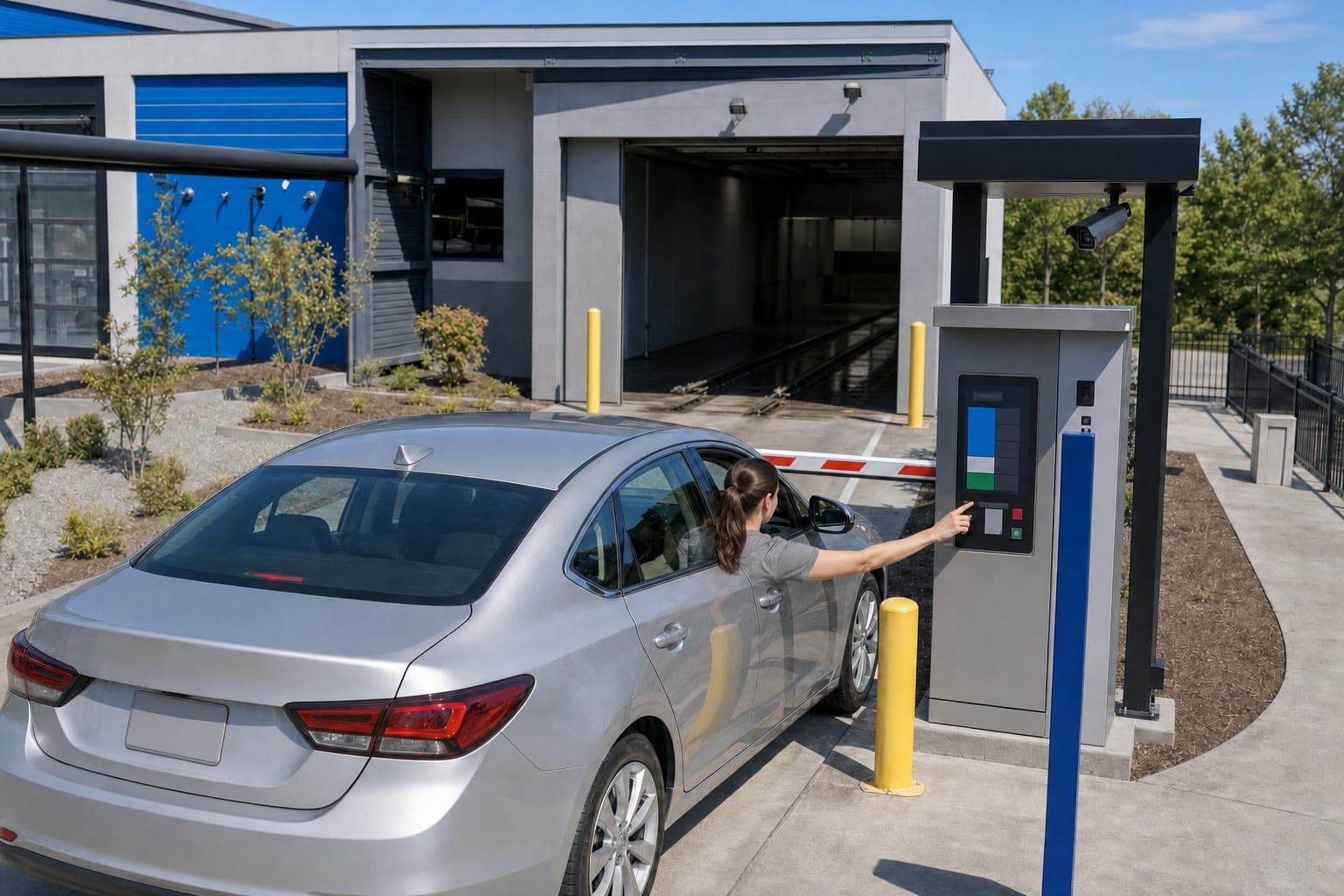
- Slow entry: plate reads, plan sales and payment at the pay station meter cars into the tunnel more slowly than it can take them.
- Slow exits: cars that hesitate at the exit hold up the line behind them.
A controller sees none of these separately. It counts cars. To separate them you need to time each car from entry to exit, and the empty track between cars as well.
Measuring it
BayCam stamps three moments on every car, using the cameras already watching the tunnel: entered, when its plate is read at the entrance; loaded, when it is on the conveyor; and exited, when it leaves the tunnel. That splits each pass into how long loading took and how long the car spent in the tunnel, so a slow load shows up as its own number rather than hiding inside cars per hour. Because it measures the conveyor as a whole, an empty stretch counts against you the same way a stop does — and the report says which one it was.
Throughput tells you how busy you were. Capacity tells you how much of that business you could have handled.
Frequently asked questions
How do I calculate car wash capacity?
Work out how many cars the conveyor can carry in an hour with every slot filled, from its speed and the spacing your tunnel needs between cars. That is the ceiling your cars per hour is measured against.
Why are my cars per hour low when there is a line?
Usually loading. Gaps between cars on the conveyor, slow loads at the entrance and tunnel stops all cost throughput while the line waits. Timing how long each car takes to load shows which one it is.
How can I increase car wash throughput?
Fill the conveyor during busy hours: load cars closer together, speed up the pay station and plate read, and cut down on stops. Measure loading time per car, with a tool like BayCam, so you know whether a change actually worked.