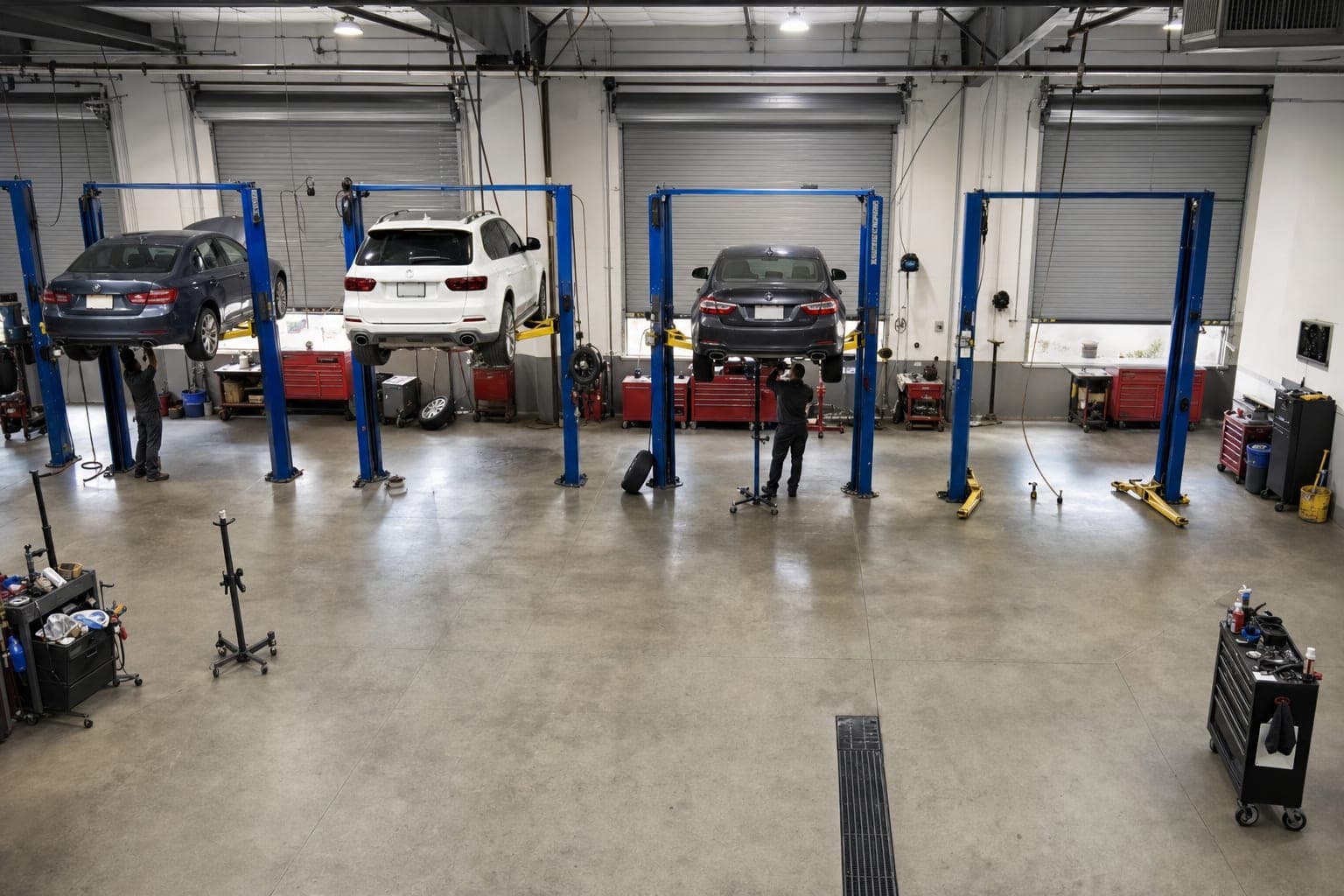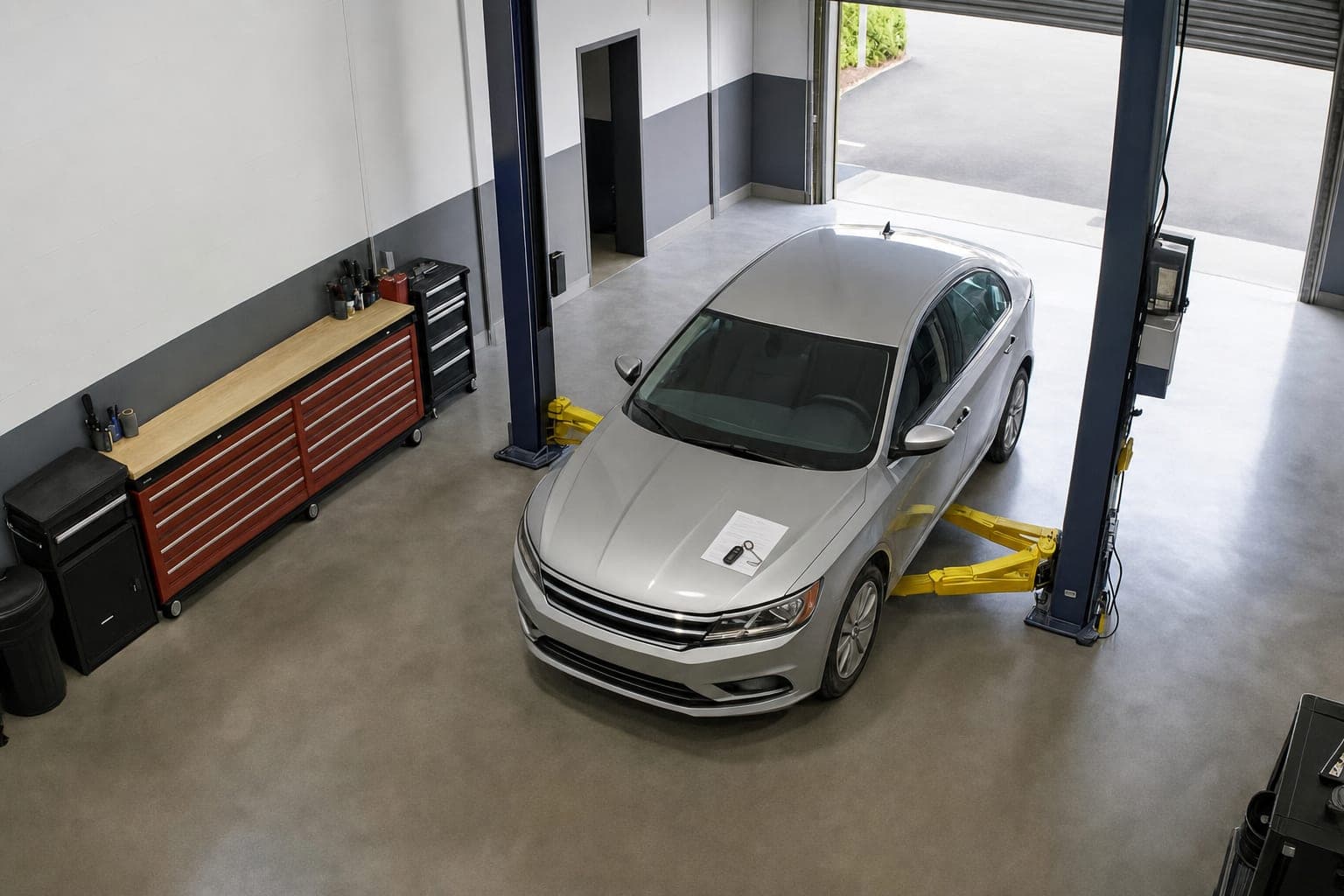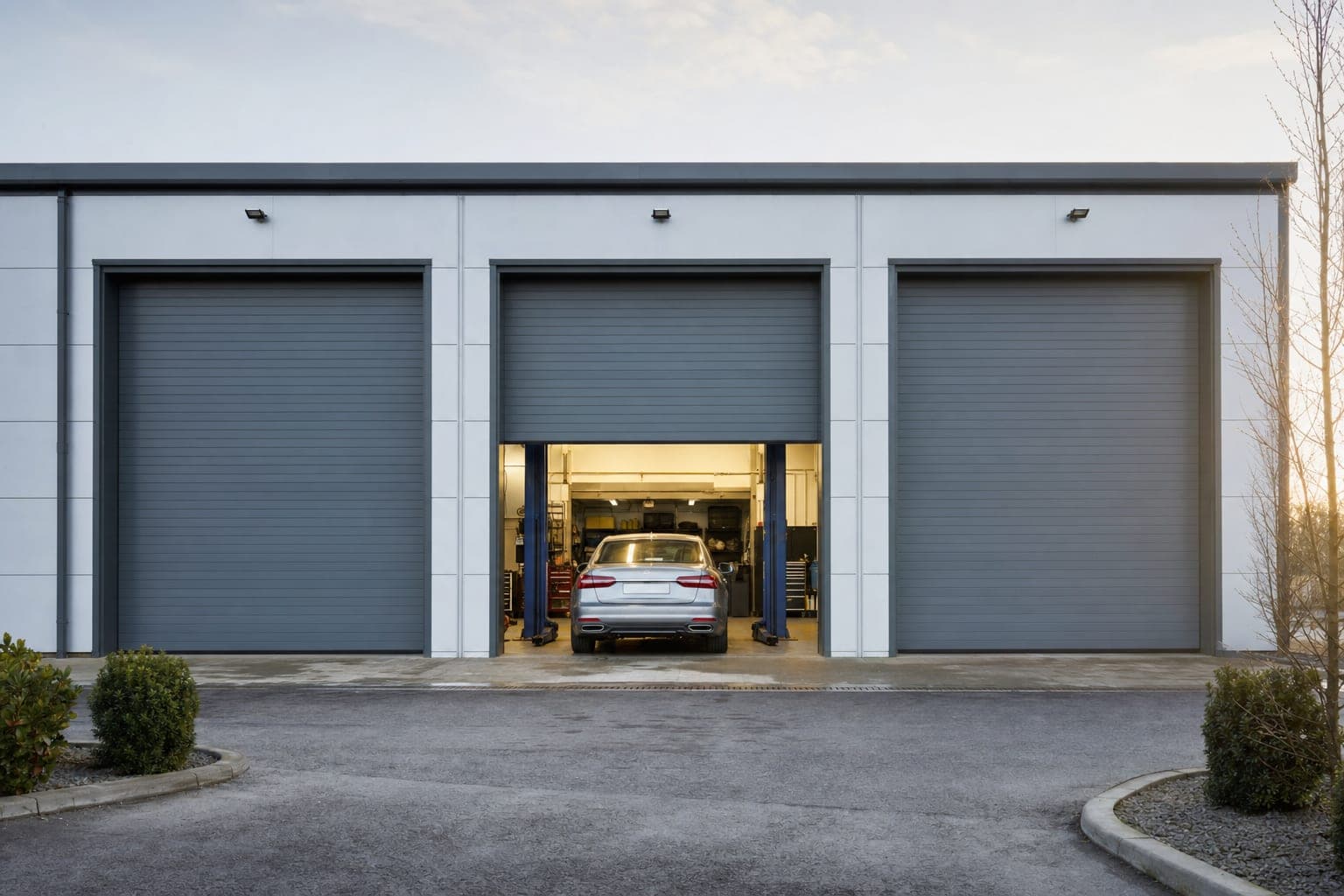
Every job in a bay starts the same way: the roller door goes up. And it ends the same way: the car drives out and the door comes back down. Between those two moments is the whole visit — and timing them is one of the simplest ways to see how a bay really runs.
A clean start and end for every visit
Most attempts to time a job start late and end early. The clock starts when a tech opens the ticket and stops when the repair order closes. The door is more honest: it marks the moment the bay was committed to a car and the moment it was genuinely free for the next one.
That is why BayCam’s visit record now opens on door open and closes on door closed, with car in, hood up, hood down, cashed out and car out stamped in between.
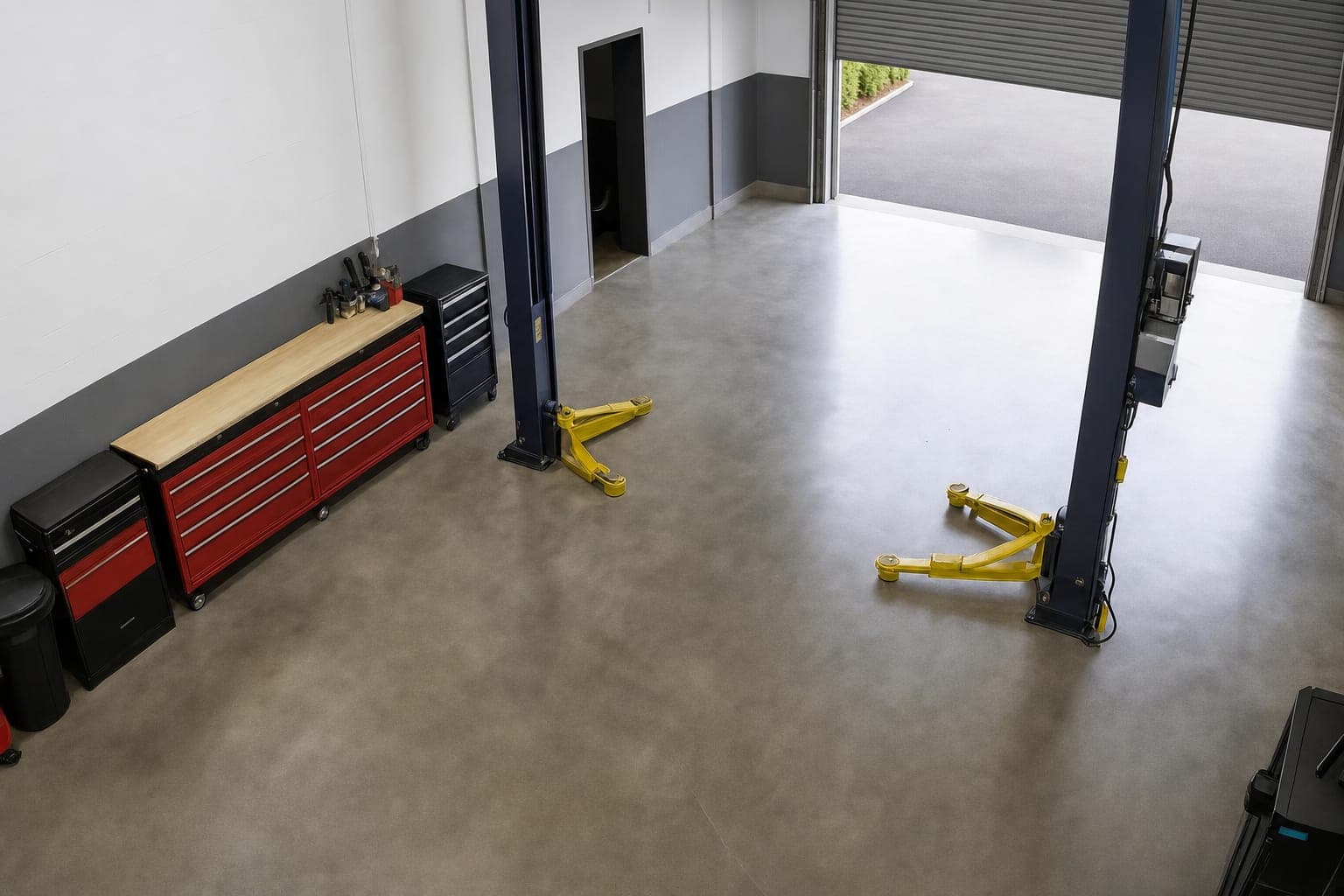
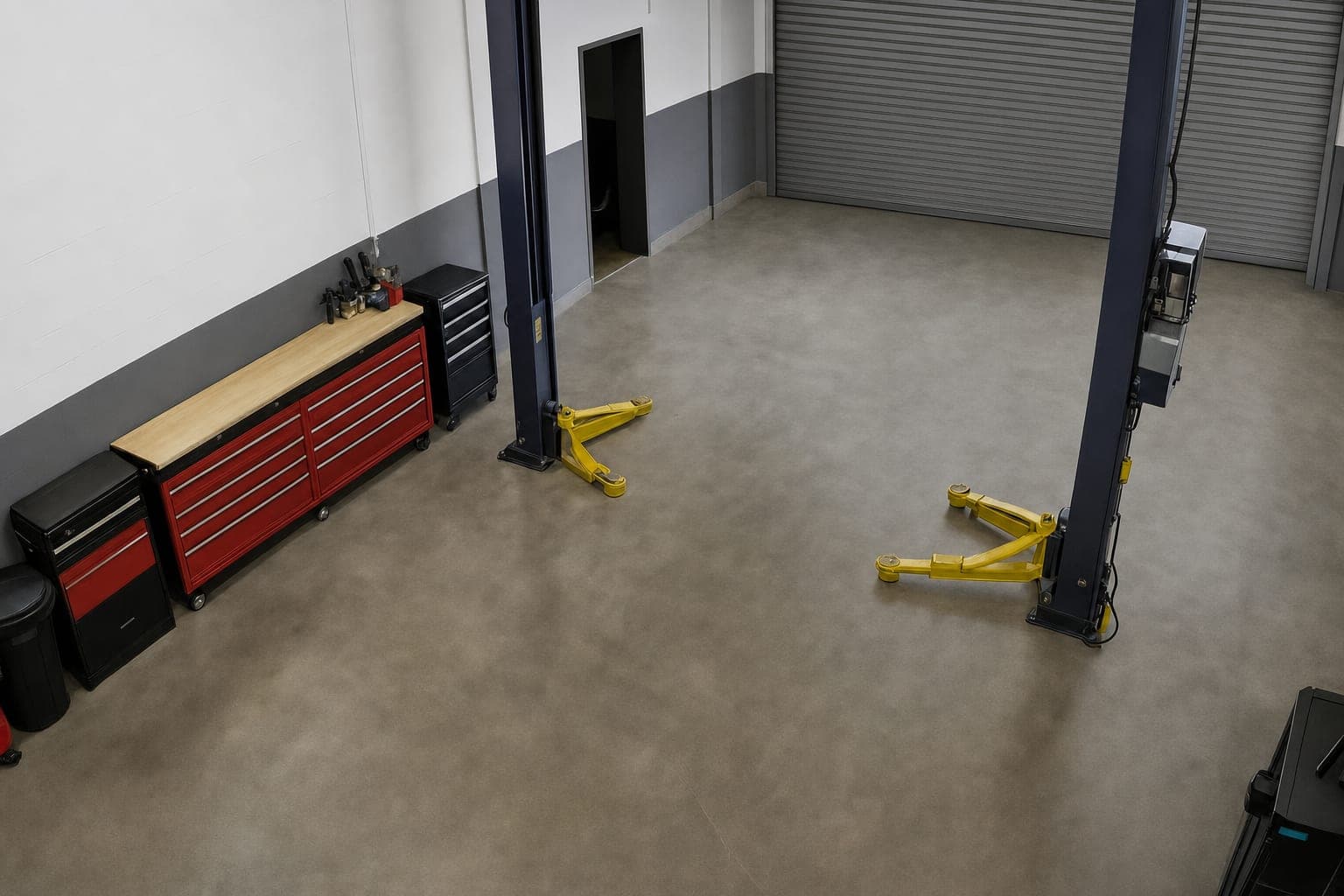
The last stamp is just as plain. The car has gone, the bay is swept, and the door comes down. Only then is the bay genuinely ready for the next job.
What door times reveal
- Turnaround between cars: the time from one door closed to the next door open is a bay standing empty. Long gaps usually point to scheduling or a slow write-up at the counter.
- Doors left open: a door that stays up long after the car has gone costs heat in winter, cooling in summer, and makes the bay harder to secure.
- Pull-in time: a long stretch between door open and car in bay often means the next car was not staged and someone had to go and find it.
- After-hours movement: a door opening when the shop is closed is worth knowing about.
No sensors, no buttons
Door sensors and button panels exist, but they mean wiring, hardware on every door and something else to maintain. BayCam reads the door the same way it reads the hood: from the camera that already looks at the bay. When the door lifts off the floor it stamps door open; when it meets the floor again it stamps door closed.
Putting it together
On its own, a door time is a curiosity. Joined to the rest of the visit — when someone started work, when the hood came down, when the ticket closed — it becomes the frame that every other minute is measured against. That is what makes the idle time inside the visit impossible to argue with.